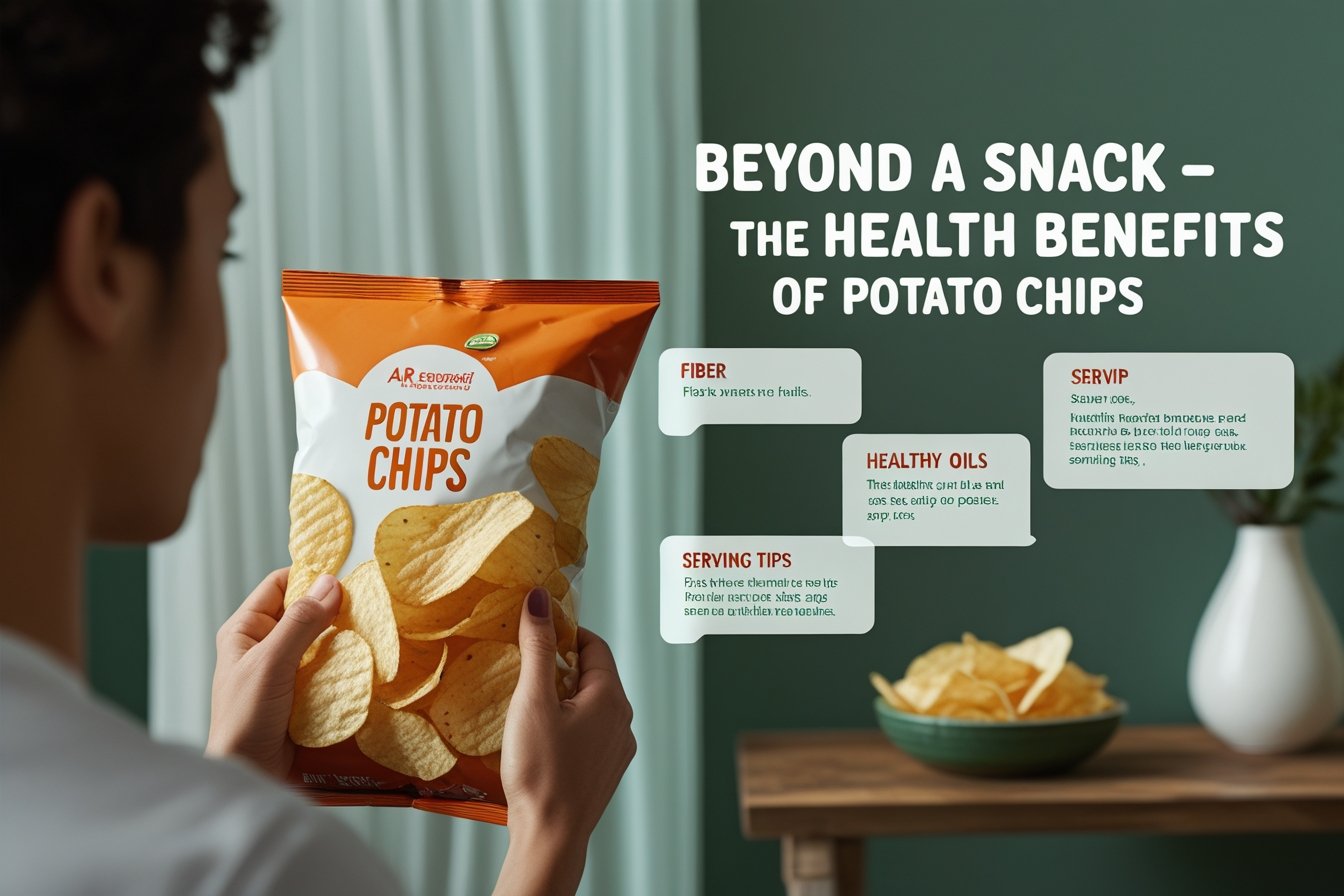
Imagine popping open a bag of golden, crispy delights and discovering it’s not just a guilty pleasure but a surprising source of wellness. Potato chips, often relegated to the “junk food” aisle, carry hidden health benefits when chosen and enjoyed wisely. From heart-healthy fats to mood-boosting compounds, these crunchy snacks can play a positive role in a balanced diet. Dive into the science-backed perks that elevate the humble chip beyond comfort food, and learn how to snack smarter without sacrificing flavor.
Chip-Fueled Cardiovascular Care:
Contrary to popular belief, certain potato chips can support heart health. When cooked in heart-friendly oils like olive or avocado, chips deliver monounsaturated fats that help lower LDL (“bad”) cholesterol and raise HDL (“good”) cholesterol. This balanced fat profile reduces arterial inflammation and promotes healthier blood flow. Paired with a sprinkle of plant sterols, naturally present in some chip varieties, regular, moderate snacking can contribute to improved cholesterol ratios and reduced risk of coronary disease. In essence, a smartly chosen chip becomes an unexpected champion of your cardiovascular system.
Blood Pressure Balance in Every Bite:
A single serving of potato chips can supply over 10% of your daily potassium requirement, a mineral vital for maintaining normal blood pressure. Potassium helps counteract sodium’s water-retention effects, easing tension in blood vessel walls. By swapping out overly salty snacks for lightly seasoned or kettle-cooked chips, you still satisfy your crunch craving while boosting electrolyte balance. This simple switch can translate into healthier readings on the blood pressure monitor, making chips a friend rather than a foe of vascular wellness.
Boosting Immunity One Chip at a Time:
While raw potatoes carry more vitamin C, some artisanal chip makers now preserve this antioxidant by using flash-frying and minimal oxidative processing. A handful of these crispy snacks packs a modest dose of vitamin C, reinforcing your immune defenses and accelerating tissue repair. When combined with a diet rich in fresh fruits and vegetables, these chips become a convenient bridge, especially during busy days, helping maintain daily vitamin C intake and keeping your body primed against seasonal bugs.
Gut-Friendly Benefits of Potato Chips:
Many folks overlook the fiber content in potato chips, but choosing thick-cut or slightly pulpy varieties can net you up to 2 grams of dietary fiber per serving. This non-digestible carbohydrate feeds beneficial gut microbes, promotes regular bowel movements, and fosters a balanced microbiome environment. By including these fiber-forward chips in moderation, ideally paired with a side of fresh veggies, you create a snack ritual that’s as kind to your digestive tract as it is to your taste buds.
Mood-Mirror Munchies:
Ever notice a sense of calm after a crunchy snack? Potato chips contain small amounts of tryptophan, an amino acid precursor to serotonin, the “feel-good” neurotransmitter. When you indulge in a measured portion, your brain can convert that tryptophan into serotonin, lifting your mood and easing stress. Combined with the sensory pleasure of crunch and salt, these chips become a mild, natural mood enhancer, perfect for mid-afternoon slumps or winding down after a long day.
How Chips Can Aid Weight Management:
Surprisingly, potato chips can fit into a weight-management plan when portioned correctly. The key lies in pairing each serving with ample protein or veggie sides, which increases satiety and prevents overeating later. The act of chewing crunchy foods also signals fullness to the brain more effectively than soft snacks. By pre-measuring a one-ounce bag and savoring each chip slowly, you harness psychology and nutrient timing to enjoy flavor without derailing calorie goals.
Fighting Oxidative Stress with Every Crunch:
Potatoes naturally contain compounds like polyphenols and carotenoids, powerful antioxidants that survive the frying process if heat exposure is brief. These molecules scavenge harmful free radicals, reducing cellular damage and inflammation. Some gourmet chip brands even infuse seasonings rich in rosemary extract or turmeric, amplifying the antioxidant punch. A moderate portion of these antioxidant-boosted snacks can thus contribute to long-term protection against chronic diseases linked to oxidative stress, from arthritis to certain cancers.
Phosphorus and Beyond for Bone Strength:
Beyond basic potassium, potato chips deliver trace minerals like phosphorus and magnesium, essential for bone mineralization and muscular function. Phosphorus partners with calcium to fortify bone matrix, while magnesium regulates vitamin D activation. Incorporating chips as a side, preferably baked or air-fried, alongside calcium-rich foods (like yogurt or cheese) creates a synergistic snack that supports skeletal and neuromuscular health without compromising on taste.
Brain-Boosting Nutrients in Chips:
The sodium in potato chips helps maintain fluid balance, ensuring oxygen and nutrients reach your brain efficiently. Paired with a hit of carbohydrate, these snacks deliver quick energy to both muscles and neurons. When seasoned with herbs like sage or rosemary, known for their cognitive-enhancing aromas, chips can sharpen focus and reaction times. For students burning the midnight oil or professionals powering through deadlines, a mindful chip break can clear mental fog and sustain concentration.
Baking and Seasoning for Maximum Nutrient Retention:
Why settle for mass-market flavors when you can craft healthier potato chips at home? Thinly slice potatoes, toss lightly in olive oil, and bake at 200 °C until edges curl. Season with antioxidant-rich spices, paprika, garlic powder, or a dash of cayenne. Home-baked chips retain more vitamins and minimize harmful byproducts formed in deep-frying. Plus, you control salt levels and portion sizes, turning the classic snack into a tailored wellness boost.
Choosing the Right Chip:
The chip aisle has grown smarter: look for baked, sea-salted, or vegetable blends that mix sweet potatoes, beets, and parsnips. Each variant introduces unique antioxidants: beta-carotene from sweet potatoes or betalains from beets. Vegetable chips often boast higher fiber and micronutrient profiles than standard potato crisps. By diversifying your chip selection, you transform snacking into a colorful palette of nutrient density.
Conclusion:
When enjoyed thoughtfully, potato chips transcend their reputation as empty calories and emerge as versatile vehicles for heart-healthy fats, essential minerals, antioxidants, and mood-uplifting compounds. By choosing the right cooking method, limiting portions, and pairing chips with nutrient-rich foods, you unlock an array of health benefits in every flavorful crunch. So next time you reach for a chip, remember: with a little savvy selection, you’re not just snacking, you’re fueling wellness.
FAQs:
1. Are potato chips really good for heart health?
Yes, when cooked in olive or avocado oil, they provide heart-friendly monounsaturated fats.
2. How many chips can I eat daily?
Stick to a one-ounce (about 15–20 chips) portion to balance benefits and calories.
3. Do homemade chips offer better nutrition?
Absolutely—baking and light oil use preserve more vitamins and reduce harmful byproducts.
4. Can potato chips help with digestion?
Chips with intact pulp or thicker cuts add a bit of fiber to support gut motility.
5. Which seasoning boosts chip antioxidants the most?
Spices like rosemary, turmeric, and paprika amplify antioxidant content.
6. Are vegetable-blend chips healthier than regular potato chips?
In many cases, yes—varied veggies introduce extra fiber and unique phytonutrients.